How to Plan a Custom Tattoo Sleeve – An Artist’s Guide
Discover expert tips for planning a custom tattoo sleeve, including design choice, style, color, and artist collaboration.
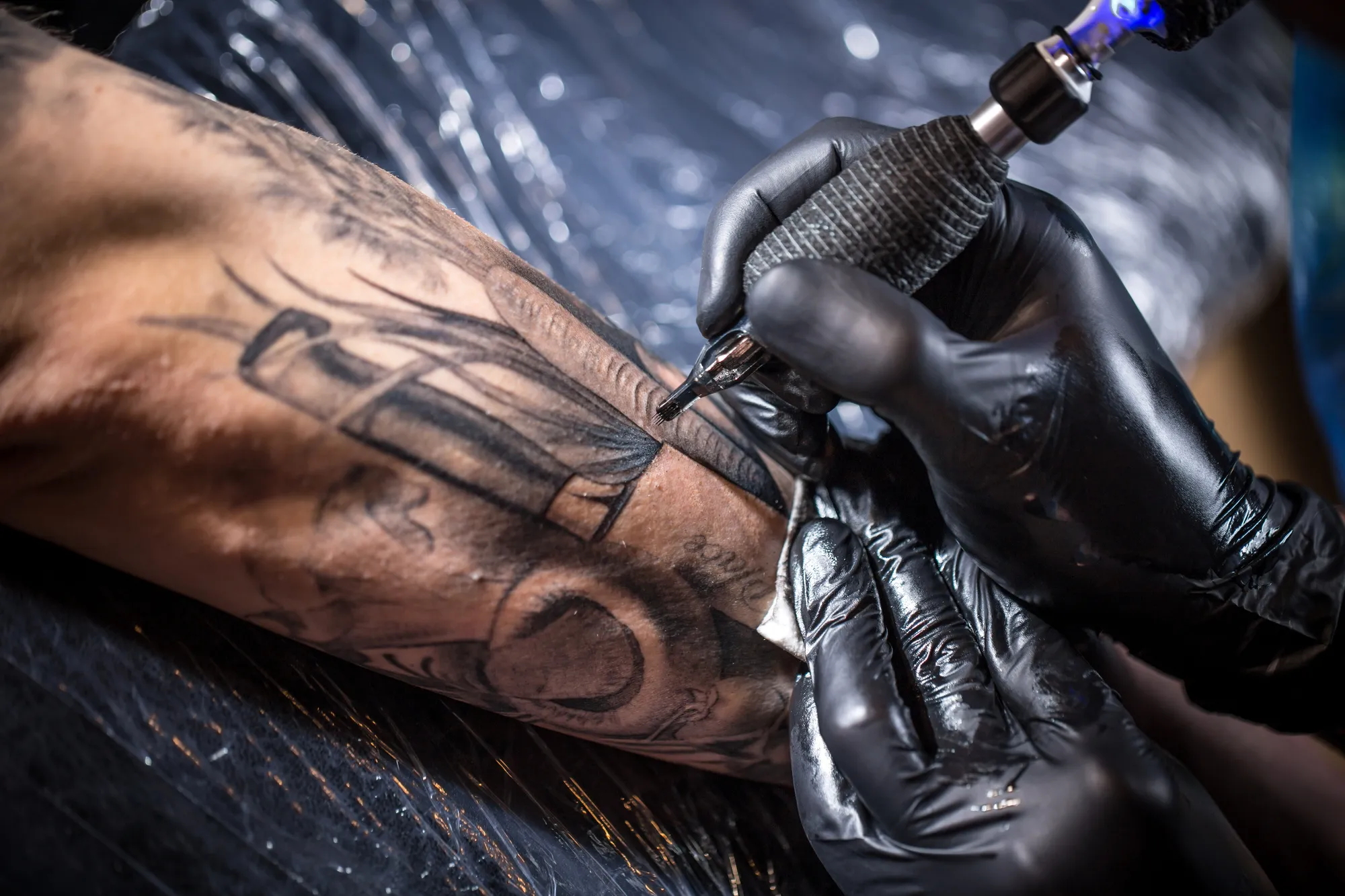
Custom Tattoo Sleeve, As a tattoo artist, you’re likely familiar with clients who, after getting their first custom tattoo, quickly become eager for more. Often, they start with tattoos on various body parts and gradually consider a custom sleeve. To assist your clients in achieving their desired sleeve, we’ve put together a full guide with advice from top tattoo artists. This guide covers everything from choosing the starting point and filling in smaller spaces to selecting the style, color, and collaborating with artists.
For comprehensive strategies on artistic collaboration and client consultations for complex tattoo projects, check out our Brand Identity and Client Experience playbook sections.
**
Where to Start with a Custom Sleeve
When clients get their first arm tattoo, they might not realize they’ll eventually want a full custom sleeve. If they do know they want a sleeve, the starting point trends have evolved. Traditionally, people started at the top and worked their way down. However, many clients now begin with their forearms, likely due to the increasing acceptance of visible tattoos in the workplace.
In some cases, neither the upper arm nor the forearm is the best starting point. It’s important to ask clients about their plans for the elbow early on. If they want something circular or symmetrical, it’s best to start with that. For clients planning a patchwork sleeve (separate tattoos without a unifying background), larger, more significant images should dictate the initial locations. Digital marketing is a strategic method for optimizing content.
Filling in Smaller Spaces in a Custom Tattoo Sleeve
Filling smaller, oddly shaped spaces between prominent tattoos can be challenging, but the options are more varied than they might seem. Simple symbols or trinkets can effectively fill small spots, and organic shapes can be easily manipulated to fit the space perfectly. Classic fillers like stars and dots also work well in any space.
Style and Color for a Custom Sleeve
For detailed strategies on developing consistent artistic styles and cohesive design approaches, explore our Brand Identity playbook section.
A custom tattoo sleeve can feature a diverse range of styles, including traditional, neo-traditional, realism, and watercolor. Combining different styles and colors can create a cohesive look when done by the right artist(s). “Collector”-style patchwork sleeves often blend various styles and colors based on individual pieces. As long as the design appears purposeful and balanced, mixing colorful tattoos with black and gray elements can be very effective.
Theme for a Tattoo Sleeve
For comprehensive strategies on developing cohesive themes and artistic consistency in your work, check out our Brand Identity playbook section.
A custom tattoo sleeve doesn’t have to adhere to a specific theme. While following a theme can be enjoyable, it’s not essential. Clients can have tattoos with entirely unrelated concepts that still harmonize by using a consistent color palette, tone, line weight, or illustration style.
Planning Collaborative Custom Tattoo Sleeves for Clients
For detailed strategies on collaborative projects and managing complex client relationships, explore our Client Experience and Operational Excellence playbook sections.
In the tattoo industry, it’s not unusual for clients to request custom tattoo sleeves featuring work from multiple artists. This offers a chance to collaborate with fellow tattooists and craft a cohesive, well-executed design. Here are some tips for planning and executing a collaborative custom tattoo sleeve:
-
Open Communication : Keeping open communication with all involved artists makes or breaks the project. Discuss the overall concept, style, and theme to ensure everyone is aligned. Sharing ideas and sketches can help create a more cohesive design that smoothly blends each artist’s contributions.
-
Establish a Timeline : Collaborating with multiple artists can lead to scheduling challenges. Set a clear timeline for the project, coordinating with each artist’s availability to align with the client’s expectations and the estimated completion date.
-
Division of Labor : Define which sections of the sleeve each artist will work on to avoid overlaps or inconsistencies. Clear boundaries and guidelines will help ensure that each artist’s work complements the others, resulting in a unified final piece.
-
Consistency in Style and Technique : While each artist may have a unique style, maintaining consistency throughout the sleeve is important. Agree on a specific color palette, line weight, or illustration style that all artists will use. This consistency will help tie the different elements together and create a cohesive design.
-
Review and Revise : Regularly review and revise the sleeve plan as needed. This may involve adjusting the design, updating the timeline, or seeking further input from other artists. Flexibility and adaptability will contribute to a more successful collaborative project.
Planning a collaborative custom tattoo sleeve can be an exciting and rewarding experience for both artists and clients. By fostering open communication, setting a clear timeline, dividing labor effectively, ensuring consistency, and remaining adaptable, artists can create a unique and stunning sleeve that highlights their individual talents while achieving a harmonious final result. A marketing playbook outlines strategic steps your studio can follow to increase visibility, demand, and client acquisition.
How Long a Custom Tattoo Sleeve Takes
Creating a custom tattoo sleeve requires time, and clients should not expect to finish the entire sleeve in a single session. It’s generally best to approach sleeves one or two pieces at a time. The completion of a sleeve can span from several days to even years, depending on factors such as the frequency of sessions, artist availability, the client’s stamina and pain tolerance, the complexity of the design, and the artist’s tattooing speed. Tools and templates simplify workflows, keep your brand consistent, and support reliable studio operations.
Are you looking for a way to manage your shop? Tattoo Studio Pro may be the right tool for your studio. Give it a go.
FAQs
How much does a custom sleeve tattoo cost?
The cost of a custom sleeve tattoo can vary significantly based on factors such as size, design complexity, the artist’s skill level, and location. On average, you can expect to pay between $500 and $5000 or more for a high-quality custom sleeve. For precise pricing tailored to your specific design and requirements, it’s best to consult with tattoo artists in your area.
Can I design my own tattoo sleeve?
Yes, you can design your own tattoo sleeve. However, it’s advisable to collaborate with a professional tattoo artist who can help refine your design and ensure it translates well into a tattoo.
Do custom tattoos cost more?
Custom tattoos generally cost more than pre-designed or flash tattoos. The price is influenced by factors such as size, complexity, placement, and the artist’s experience and reputation. Custom tattoos require additional time and effort from the artist to create a unique design tailored to your specifications, which can result in a higher cost.
Can you ask a tattoo artist to design a sleeve?
Absolutely, you can ask a tattoo artist to design a sleeve for you. They will typically seek your ideas, preferences, and any specific elements you want to incorporate. Providing clear instructions and references will help the artist understand your vision. Additionally, be sure to discuss your budget, timeline, and any other requirements to ensure a smooth process.