Operations & Compliance
Face Tattooing: A Guide for Tattoo Artists
Learn how to navigate the ethical dilemmas of fulfilling face tattooing requests. Discover the consequences and considerations for tattoo artists.
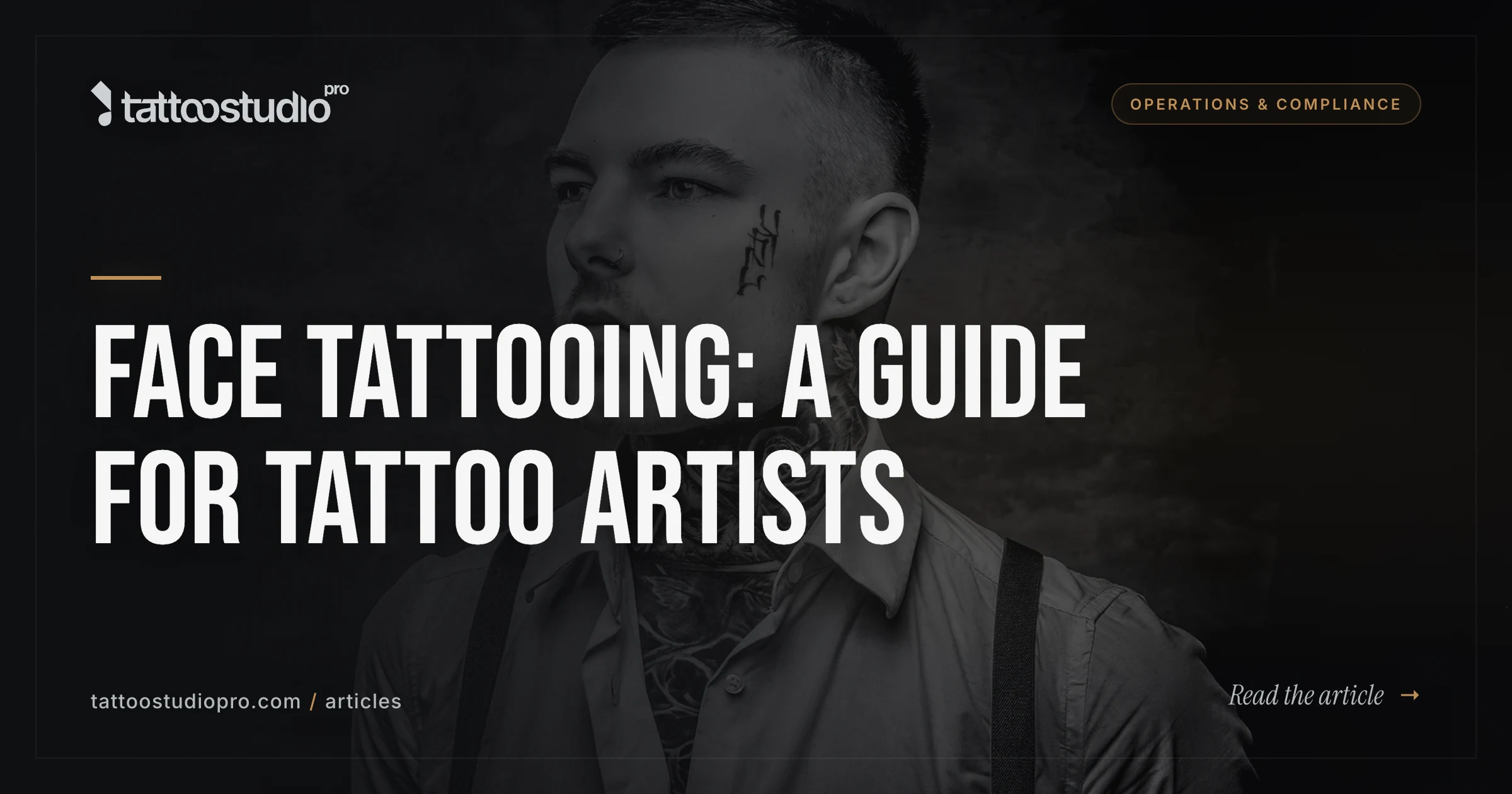
Tattooing has become a popular trend among people of all ages and backgrounds. However, with the growing popularity of face tattoos, tattoo artists face a dilemma when fulfilling such requests.
For comprehensive strategies on managing ethical considerations and building professional studio practices, check out our Operational Excellence and Client Experience playbook sections.
The Face Tattooing Trend is Growing
Recent surveys reveal that most people with tattoos typically keep them hidden beneath their clothing. However, a rising trend in face tattooing is changing this dynamic, with many individuals sharing photos of their face tattoos on social media using the hashtag #facetattoo.
This trend presents tattoo artists with challenging ethical dilemmas. Some artists are willing to ink any design for the right price, while others are more cautious about face tattoos due to the potential long-term consequences. Digital marketing is a strategic method for optimizing content.

**
A Dilemma For Tattoo Artists
The consequences of getting a face tattoo are significant. Individuals with face tattoos are often perceived as “strange” by society and may face damaged future employment opportunities. A study found that up to 80 percent of employers are less likely to hire someone with a visible face or neck tattoo.
Moreover, the potential for regret among those who get face tattoos can lead to legal and commercial issues for tattoo artists. Consequently, many tattoo artists are reluctant to perform face tattoos and are hesitant to fulfill such requests.
Making A Judgment
For detailed strategies on client consultations and ethical decision-making in tattoo studios, explore our Client Experience playbook section.
Despite the potential consequences, some tattoo artists are still willing to do face tattoos. For these artists, it pays to consider the context of the tattoo request before deciding.
For instance, if a heavily tattooed person requests a face tattoo, they have likely thought about it for some time and are aware of the potential repercussions. In such cases, the tattoo artist may be more inclined to fulfill the request.
Conversely, if a young person without tattoos requests a face tattoo, the tattoo artist may be more hesitant. They might encourage the person to think carefully about their decision before proceeding.
Your Priority Is Your Reputation
For comprehensive strategies on protecting your studio’s reputation and implementing proper legal safeguards, check out our Brand Identity and Operational Excellence playbook sections.
If a tattoo artist decides to proceed with a face tattoo, they should protect themselves by having the customer sign a document releasing the artist from responsibility if anything goes wrong. This document could also stipulate that touch-ups are not included in the payment and that the artist is not liable for any consequences resulting from the tattoo.
Conversely, if a tattoo artist decides not to fulfill a face tattoo request, they should explain their reservations to the customer and encourage them to reconsider their decision. This approach can help prevent future legal and commercial issues for both the artist and the customer.
Remember, when a customer leaves with your tattoo, they become a walking advertisement for you and your studio. Your reputation is paramount, so don’t let it be compromised by a face tattoo.
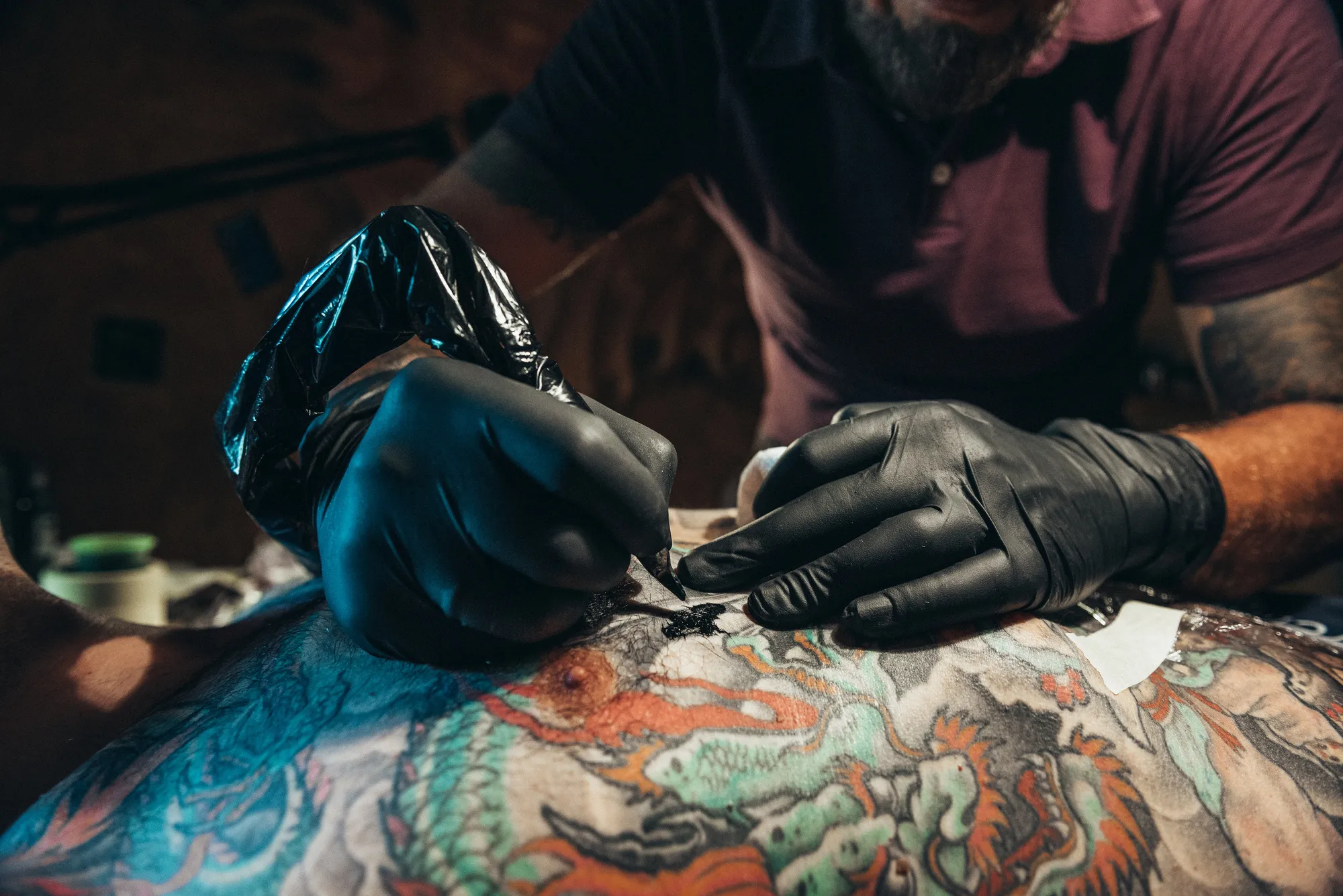
Close-up portrait of a young old-fashioned tattooed guy wearing a white shirt and suspenders. Isolated on a dark background.
Explaining Your Reservations
For detailed strategies on communicating studio policies and managing difficult client conversations, explore our Client Experience and Operational Excellence playbook sections.
If you find yourself frequently explaining why you’re unwilling to tattoo specific areas of the body, consider establishing a written policy for your studio. This can help prevent misunderstandings and clearly communicate to potential customers which tattoos you’re willing to perform. Tools and templates simplify workflows, ensure brand consistency, and support reliable studio operations. A marketing playbook outlines strategic steps your studio can follow to increase visibility, demand, and client acquisition.
FAQs
Is it safe to tattoo on face?
Tattooing on the face carries certain risks and considerations. Thoroughly researching and understanding the potential consequences before getting a face tattoo is crucial. Consulting with a professional tattoo artist and considering factors like career implications, potential social consequences, and long-term effects on the skin are essential steps.
What do the 3 lines on the chin mean?
The three lines on the chin, often referred to as “chin dimples” or a “cleft chin,” result from a genetic variation in the structure of the chin muscles and bones.
Do face tattoos cost more?
No, face tattoos do not typically cost more than tattoos on other parts of the body. Tattoo prices are usually determined by factors such as size, intricacy, and placement of the tattoo, rather than specifically being based on whether it is on the face or another body part.
Do face tattoos last long?
Face tattoos can last a lifetime, as the ink is placed in the deep layers of the skin. However, factors like sun exposure, skincare routine, and the quality of the tattoo can affect its longevity. Carefully consider the decision to get a face tattoo, as it is a highly visible area and may have long-term consequences.